Solidarity
Solidarity with the People of Nepal and All Families Affected in the Himalayas
The MST expresses its support for the victims of the disaster in the Himalayas and reaffirms the need for unity among peoples in confronting environmental catastrophes
From MST Website
The Landless Rural Workers’ Movement (MST) expresses its profound solidarity with the people
of Nepal and all the families affected by the catastrophe that swept through the valleys of the
Bhotekoshi and Trishuli rivers on the morning of 26 August, in the border region between Nepal
and China.
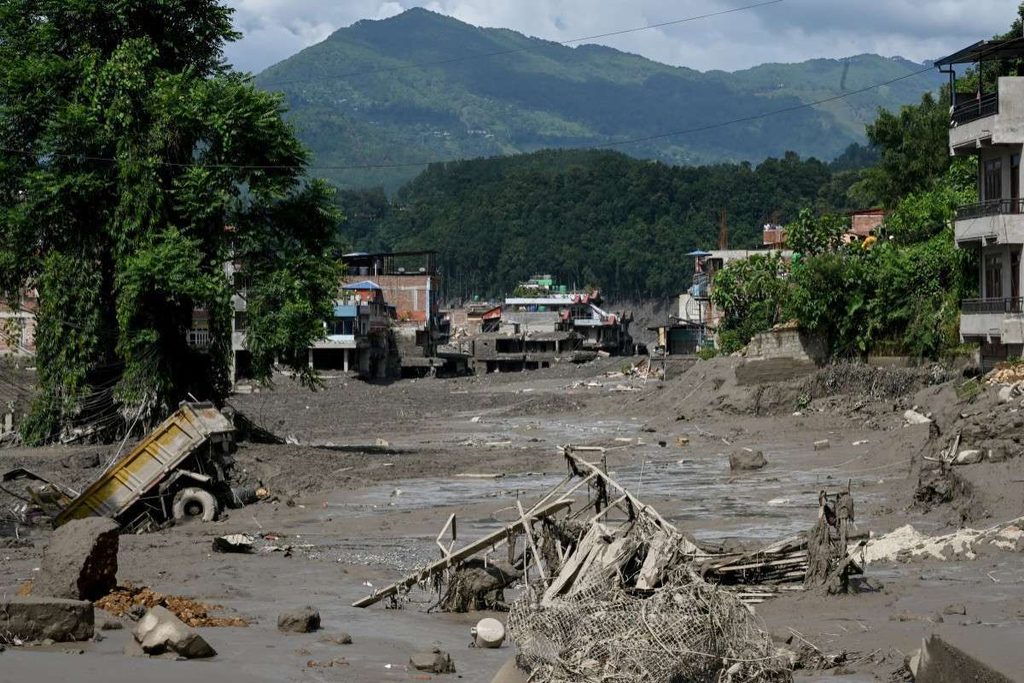
An avalanche of ice and rock dammed the Lhende River high in the Himalayas. When the dam
burst, it sent a wave of water, mud and debris crashing into the settlements downstream. There
was no rain to give warning, nor any time to flee. Entire villages, markets, bridges, roads and
hydroelectric plants were swept away in the districts of Rasuwa, Nuwakot, Dhading, Gorkha,
Chitwan, Tanahun and Nawalparasi. Hundreds have died and thousands remain missing,
including residents, workers, border officials and foreign travellers.
We are following the news from the region with concern, and our first thoughts are with the
families: may they be reunited with their loved ones, and may the suffering people of Nepal
recover swiftly. Above all, our solidarity is with Nepal’s working people — with the peasants,
rural communities and urban communities who have lost their homes, their crops, their
neighbours and their livelihoods.
We also extend our embrace to the families of Gyirong County in Tibet, on the Chinese side of
the border, who have likewise been affected by landslides, and to families in India and other
countries awaiting news of pilgrims travelling to Kailash Mansarovar and of the many travellers
missing along the mountain routes.
We salute the rescue teams, health workers and volunteers who are risking their own lives in
dangerous terrain to save those who can still be saved.
This tragedy is not a matter of chance. The accelerated melting of glaciers and the thawing of
ground that once remained frozen throughout the year, stabilising the mountain slopes, are direct
effects of the climate crisis produced by a model of production and consumption imposed by
capital. This is the second disaster of its kind on the same river in little more than a year. The
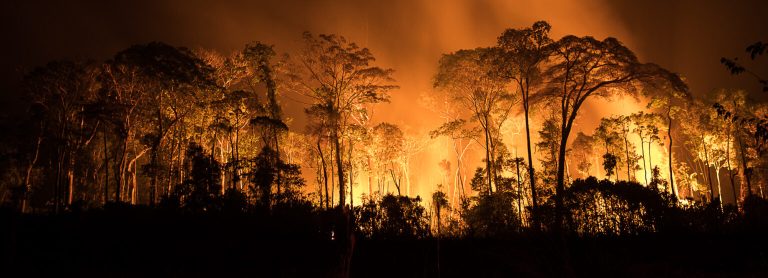
peoples who have contributed least to global warming are those paying with their lives — in the
Himalayas, in the Amazon, in the semi-arid regions and throughout the periphery of the world.
Confronting the climate crisis is, for this reason too, a class struggle.
We therefore add our voice to the call of the International Peoples’ Assembly for immediate
regional cooperation, humanitarian assistance across borders, early-warning systems capable of
protecting mountain populations, and long-term support for reconstruction. We also call upon the
Brazilian government to provide assistance in the emergency response.
May the pain of this moment be transformed into organisation and reconstruction. Receive our
embrace of solidarity from Brazil. The people of Nepal are not alone.
Landless Rural Workers’ Movement — MST
Brazil, August 2026